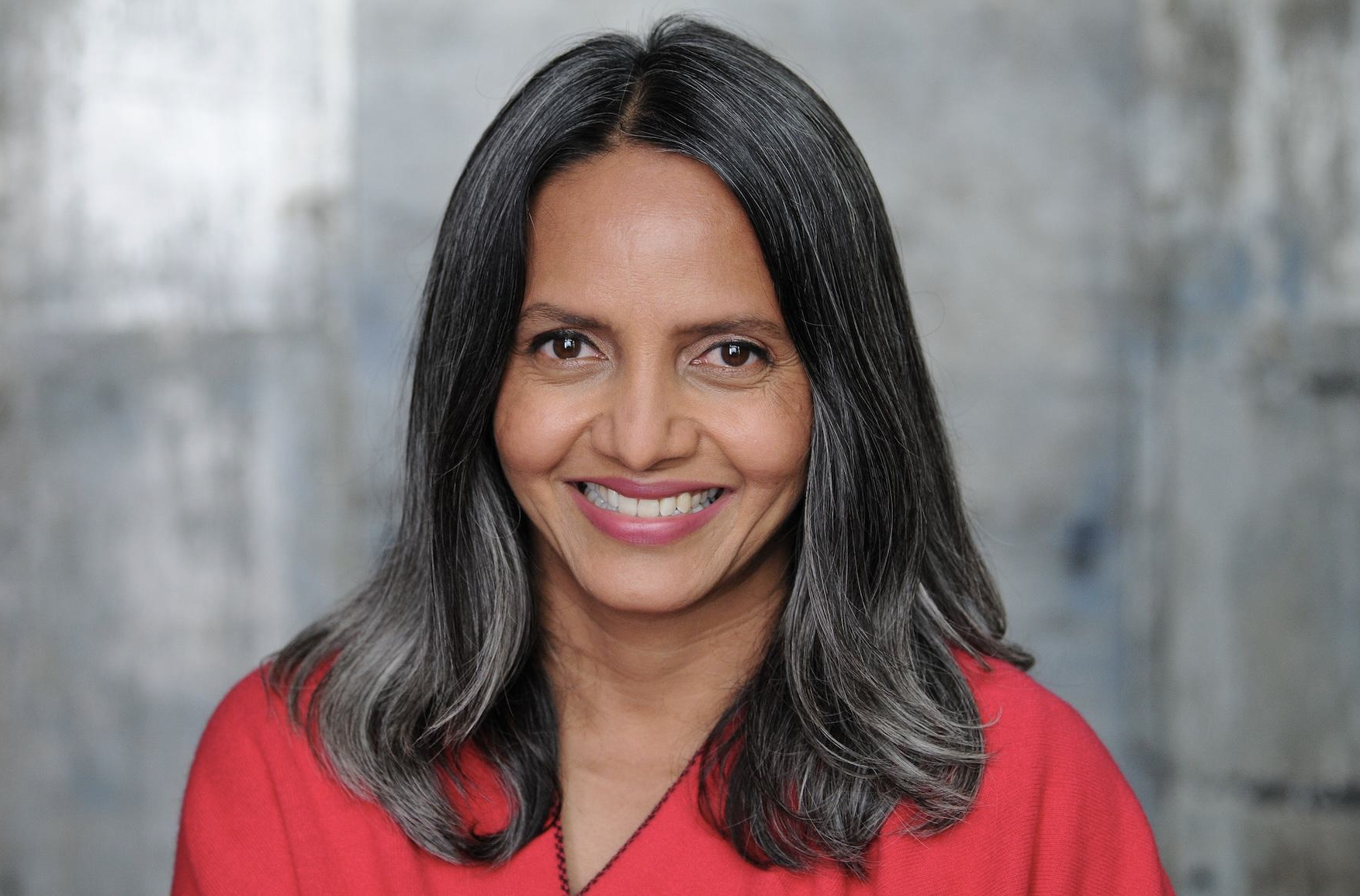

By: Palak Joshi
Opening a Donor-Advised Fund (DAF) is a smart and generous move. You’ve taken a meaningful step by setting aside funds to support charitable causes. Along with immediate tax benefits, a DAF offers the flexibility to give over time, allowing you to be thoughtful and strategic in your philanthropy. But once the account is open and the initial excitement wears off, many donors find themselves asking: Now what?
This is a common scenario. Maybe you opened your DAF for year-end tax reasons. Maybe it felt like the right way to give back. Whatever your motivation, it’s not unusual to feel uncertain about how to use it meaningfully.
You’re not alone. Many DAF holders struggle with questions like:
- Do I start giving right away?
- How do I choose the right nonprofits?
- How much should I give each year?
- How do I know if my giving is making a difference?
These questions matter—and they point to something deeper: philanthropy takes more than generosity. It takes clarity, strategy, and thoughtful action.
1. Clarify Your Values and Giving Priorities
Before making any grants, pause to ask: What do I care most about? What kind of change do I want to create in the world?
Creating a giving strategy grounded in your values ensures your donations feel authentic and effective. Your priorities might come from personal experience, community involvement, or issues you’re learning about now.
In 2023, U.S. individuals donated an estimated $374.40 billion, accounting for approximately 67% of total charitable giving (Lilly Family School of Philanthropy). Much of that giving is reactive. When you align your giving with your core values, your impact and satisfaction grow.
2. Start Small and Build From There
You don’t need to wait for the perfect moment or plan. Choose one organization that resonates with you and make a small grant. Treat it like an experiment—see how it feels, and what you learn from it.
There are over 2 million registered nonprofit organizations in the U.S., including 1.48 million 501(c)(3) public charities (Business Initiative). Starting small helps you avoid decision fatigue while building your confidence as a donor.
3. Identify and Evaluate Nonprofit Partners
Finding the right nonprofits to support can feel overwhelming. It’s not just about mission—it’s also about integrity, effectiveness, leadership, and impact.
Nearly 70% of donors say alignment with their personal values is their top giving priority. But knowing which organizations are truly aligned can take research and discernment. An experienced advisor can guide you through this process with insight and connections.
4. Design a Personalized Giving Plan
Once you’ve made a few initial grants and explored what matters to you, it helps to create a simple giving plan. This can include:
- How much you want to give from your DAF each year
- Causes you want to focus on
- Whether you want to support the same nonprofits annually or switch it up
- Key moments in the year when you’d like to make gifts
DAFs held $251.52 billion in charitable assets in 2023, yet many funds sit dormant for months—or years—because donors aren’t sure when or how to distribute (National Philanthropic Trust).
5. Engage Your Family or Next Generation
Your DAF can be a powerful way to share your values and legacy with your children or heirs. Yet many donors feel unsure how to begin.
83% of high-net-worth donors believe involving the next generation is important, but only 39% actually do so (Bank of America Wealth Study).
6. Track the Effectiveness of Your Giving
You want to know your giving is making a difference. That doesn’t mean requiring glossy reports or business-style KPIs—but it’s reasonable to seek feedback and stay connected.
You might track:
- Outcomes or impact stories from grantees
- Milestones on specific initiatives you’ve supported
- Your own growth as a donor—what you’ve learned, and how your interests have evolved
A philanthropy advisor can support your evaluation process by identifying key indicators and gathering insight from your grantees.
Give With Confidence, Not Just a Tax Deduction
Philanthropy is deeply personal—and your DAF is more than a financial account. It’s a reflection of your desire to make a difference.
With over 1.78 million DAF accounts in the U.S. holding a collective $251.52 billion in assets, we’re sitting on enormous potential for good (BusinessWire). Imagine what’s possible when donors give with intention, clarity, and heart.
If you’re still wondering what to do next, here’s your roadmap:
- Clarify your values and goals
- Make your first grant—start small
- Create a simple plan
- Engage your family if it feels right
- Stay connected to your impact
How a Philanthropy Advisor Can Help
Partnering with a philanthropy advisor brings clarity, confidence, and momentum to your giving. Whether you’re just starting or refining a mature strategy, an advisor can help you:
- Reflect on your values and set giving priorities
- Research and evaluate nonprofits
- Create a strategic giving plan
- Facilitate meaningful family engagement
- Track and assess your giving’s impact
Instead of feeling stuck or overwhelmed, you can give with joy and purpose—knowing your DAF is a tool for real change.
About the author: My name is Palak Joshi and I have been in the non-profit sector for over 15 years, working with nonprofits and donors. In addition, I am a Fidelity Charitable Approved Philanthropy Advisor. Feel free to reach out for a conversation. Together, we can turn your charitable dollars into meaningful change. Palak Joshi, palak.joshi@gmail.com