


By: Ariadne Horstman
Recently, I returned from one of the most memorable experiences of my life: a week-long horseback ride along the Camino de Santiago in Spain.
What made the trip especially interesting was that I did it on my own — without my husband or children — alongside a small group of fellow riders from around the world. At this stage of life, with both children now grown, I have been thinking more intentionally about adventure, independence, and what it means to make space for experiences that are purely for myself.
For many women, that does not come naturally.
 So many of us spend decades focused on other people first: building careers, raising children, supporting partners, caring for aging parents, managing households, keeping everything moving. There is often little room left for personal adventure, especially the kind that feels slightly impractical, indulgent, or uncertain. And yet, those dreams stay with us.
The Camino reminded me how easy it is to postpone the things we want to experience. We tell ourselves we will have the experience later, take the trip later, pursue the interest later — once work slows down, once the kids are settled, once life feels less demanding.
But “later” has a way of continuing to move.
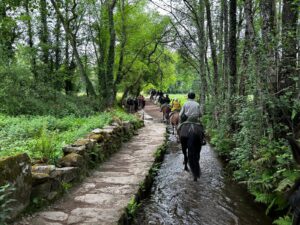
There were about ten of us on the journey, and over the course of the week, strangers quickly became connected through shared experience. We rode for hours each day through the Spanish countryside, stopping each evening in small inns and hotels along the route. Some days were physically challenging; others were peaceful and reflective.
What stayed with me most were the conversations. Over long rides and dinners together, people shared stories about family, career transitions, loss, reinvention, relationships, and the experiences that had shaped them. There is something about stepping outside of daily routines that creates space for honesty and perspective.
The Camino itself carries a powerful energy. It is a centuries-old pilgrimage route, and even for those who are not religious, there is something deeply grounding about it. Life becomes simpler. You slow down. You pay attention differently.
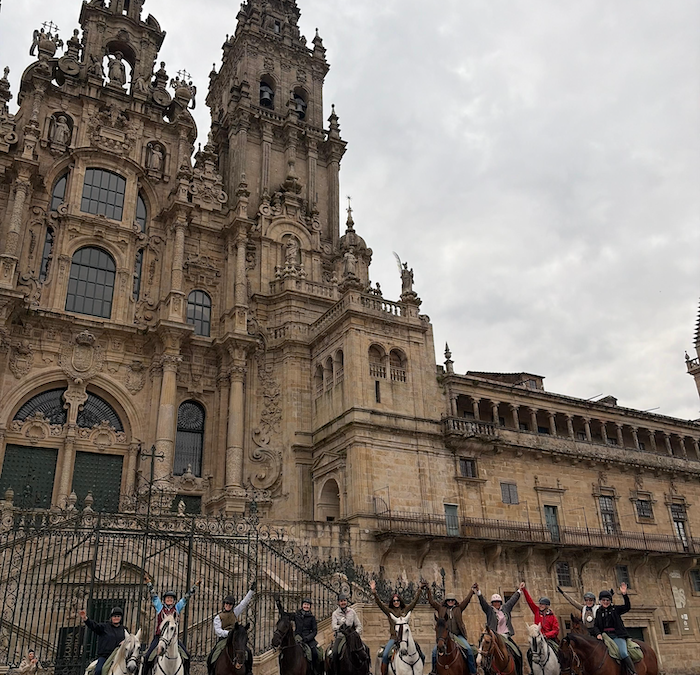
The most emotional moment came on the final day, when we rode into Santiago de Compostela and arrived at the cathedral after a week on the trail. Later, we attended the pilgrims’ mass alongside nearly 2,000 people who had completed the Camino on foot, by bicycle, and by horseback.
Looking around that enormous cathedral filled with people from all over the world — each carrying their own reasons for making the journey — was incredibly moving. It reminded me how many people reach a certain stage of life and begin asking deeper questions about meaning, purpose, freedom, and how they want to spend the years ahead.
As a financial planner, I often see women struggle with this transition.
Many have spent years being financially responsible and deeply capable yet still hesitate to prioritize themselves. They worry about spending money on experiences. They delay personal goals. They continue putting their own lives at the bottom of the list.
But financial planning is not just about accumulating assets or preparing for retirement. At its best, it creates options. It creates flexibility. It creates the ability to say yes to experiences that enrich our lives and expand our sense of who we are.
For me, this trip was a reminder that adventure does not have to belong only to youth. In some ways, it becomes even more meaningful later in life — when we better understand ourselves, appreciate time differently, and recognize that waiting for the “perfect” moment may mean waiting forever.
The Camino taught me many things, but perhaps the biggest lesson was this: the courage to begin something new matters at every stage of life.
Sometimes the journey we need most is the one we finally allow ourselves to take.